Optimal Timing for Concrete Slab Sealings
Concrete slab sealings are most effective when performed during optimal weather conditions to ensure proper adhesion and curing. The best time generally aligns with periods of mild temperatures, low humidity, and minimal precipitation. These conditions help prevent sealant failure and extend the lifespan of the sealings.
Spring and early fall are preferred times, as temperatures are moderate and weather is typically stable, reducing risks of sealant disruption.
Sealings should be applied when temperatures are between 50°F and 85°F, avoiding extreme heat or cold which can compromise adhesion.
Avoid sealings during rain, snow, or high humidity periods to prevent moisture from interfering with the curing process.
Ensure the surface is clean, dry, and free of debris before application for optimal results.
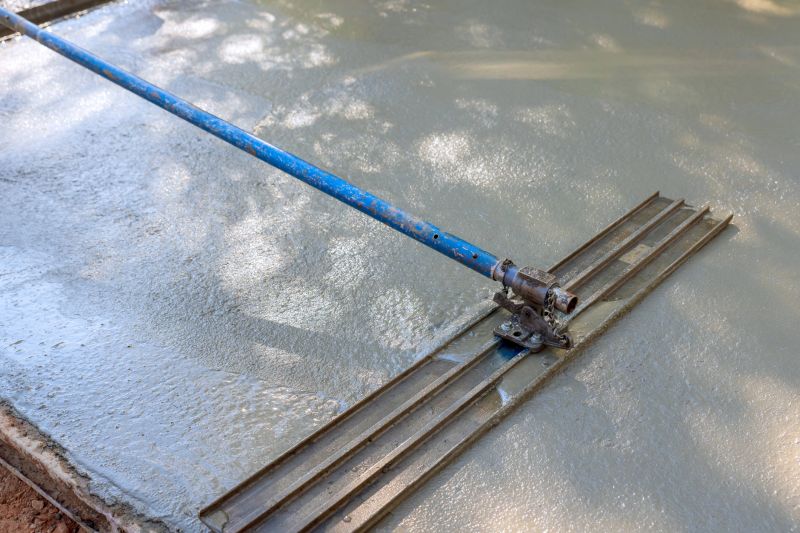
Proper cleaning and drying are essential before sealing.
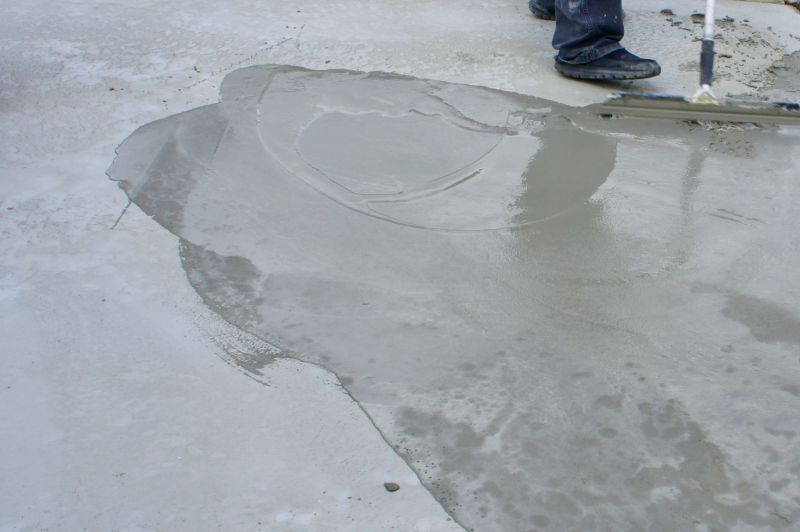
Sealant is evenly spread across the surface for effective coverage.
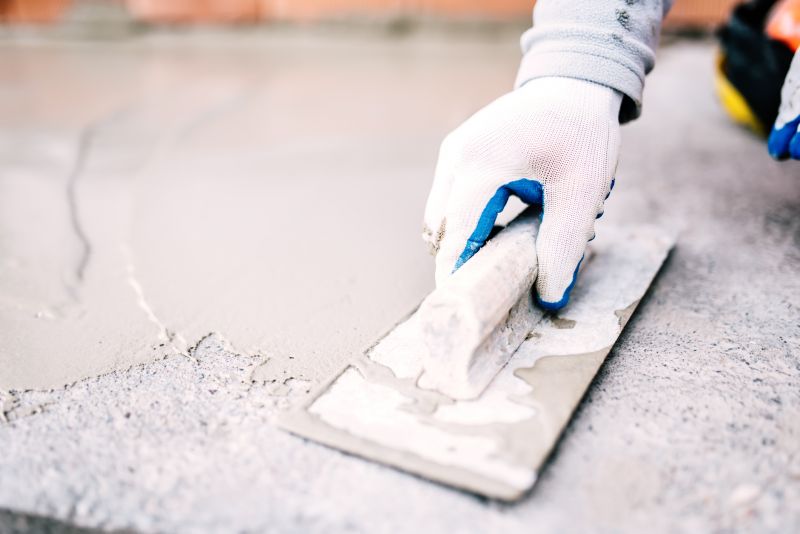
Optimal conditions ensure proper curing and adhesion.
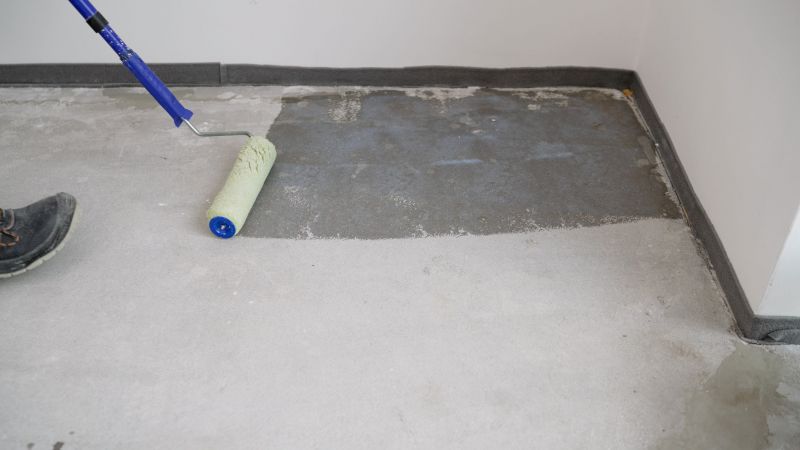
Ways to make Concrete Slab Sealings work in tight or awkward layouts.
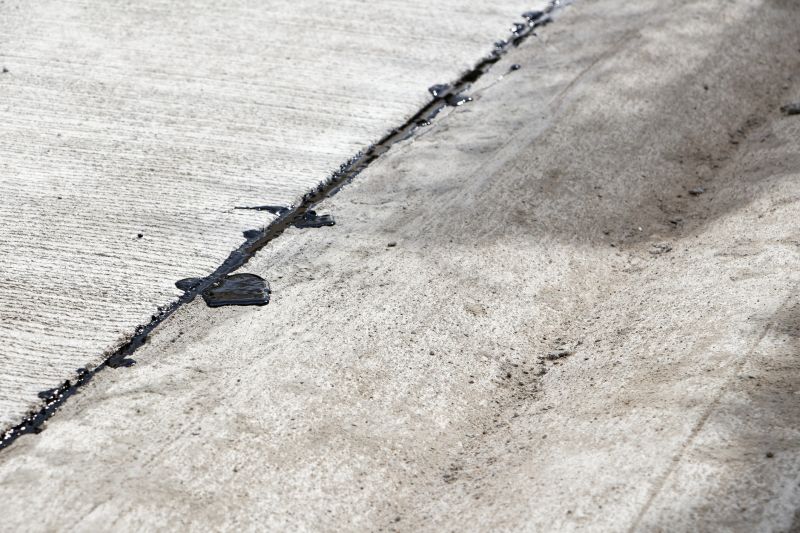
Popular materials for Concrete Slab Sealings and why they hold up over time.
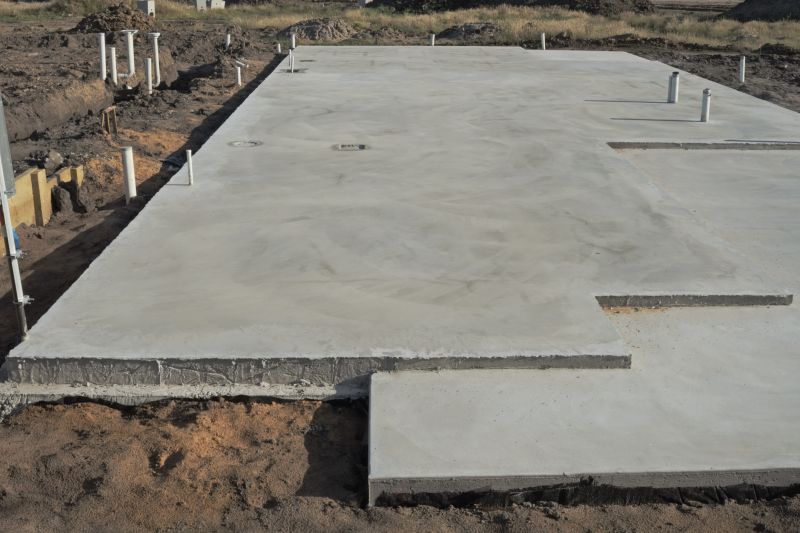
Simple add-ons that improve Concrete Slab Sealings without blowing the budget.
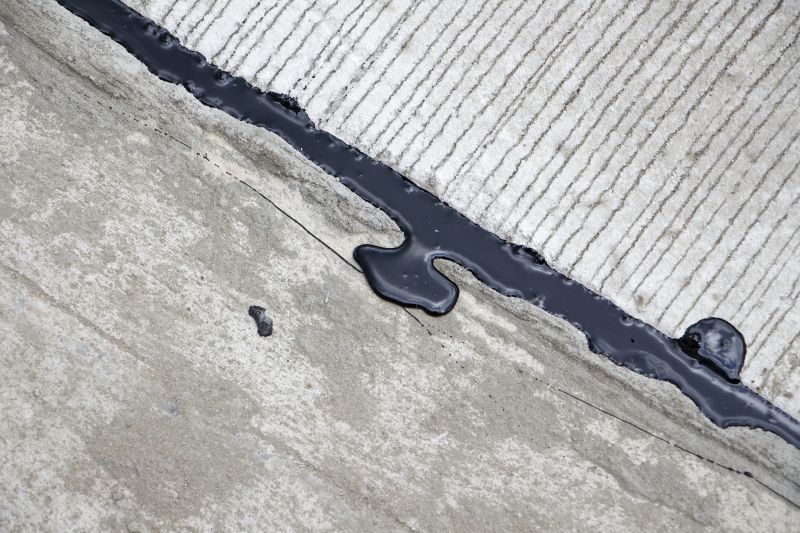
High-end options that actually feel worth it for Concrete Slab Sealings.
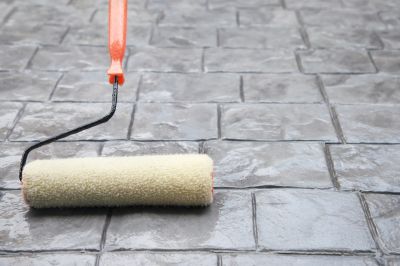
Finishes and colors that play nicely with Concrete Slab Sealings.
| Season | Temperature Range |
|---|---|
| Spring | 50°F to 75°F |
| Summer | 70°F to 85°F |
| Fall | 50°F to 75°F |
| Winter | Below 50°F (not recommended) |
Concrete slab sealings serve to protect surfaces from water penetration, staining, and surface deterioration. Proper sealing can significantly extend the lifespan of concrete slabs, reducing maintenance costs and preserving structural integrity. Sealants form a protective barrier that prevents moisture ingress, which is a leading cause of cracking and surface degradation over time. Regularly scheduled sealings, aligned with suitable weather conditions, optimize the effectiveness of the treatment and ensure long-term durability.
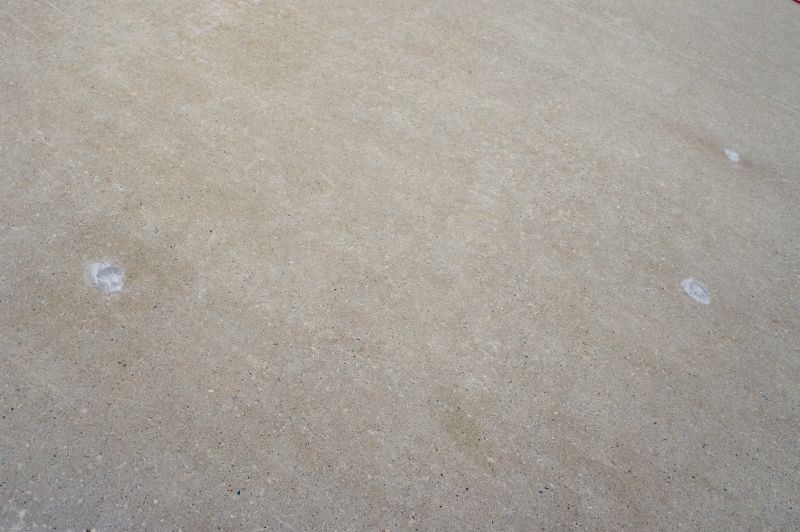
A well-applied sealant creates a smooth, protective coating.
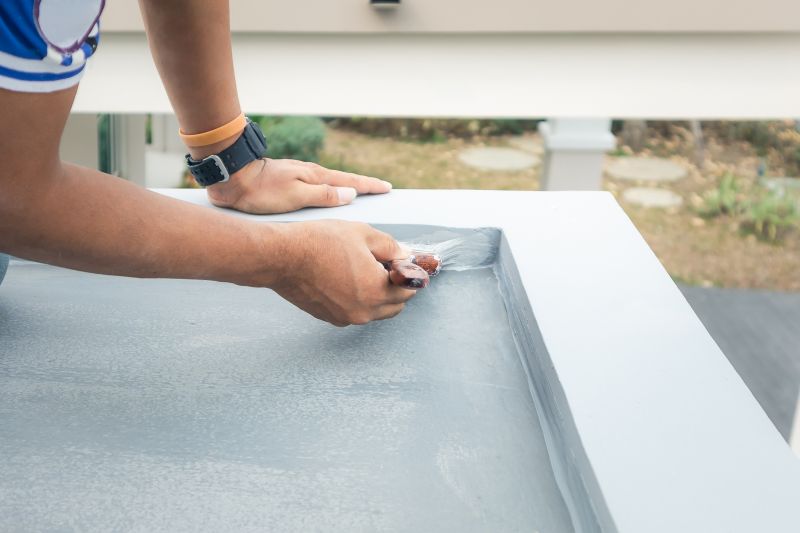
Optimal weather ensures effective curing of sealant.
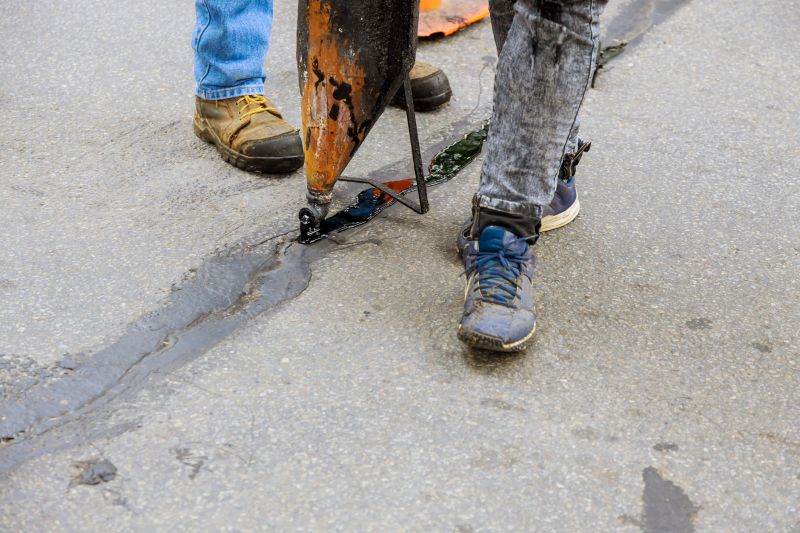
Periodic inspections help determine when re-sealing is needed.
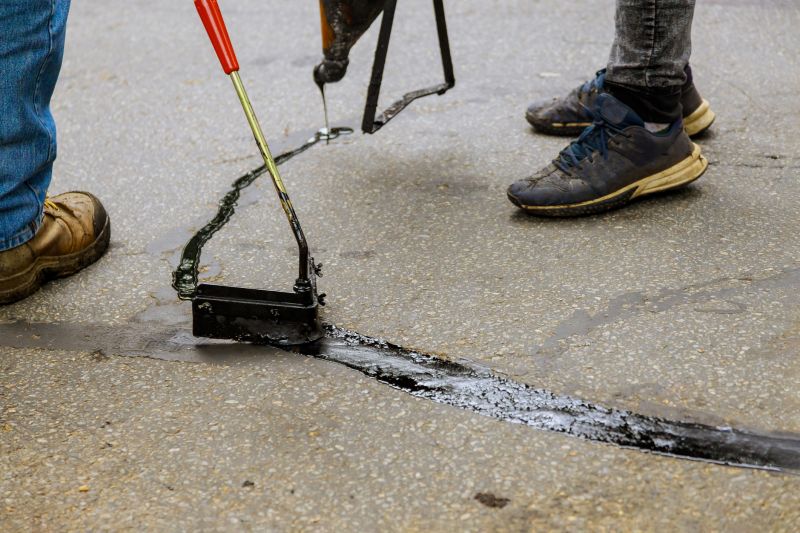
Proper tools ensure even and thorough coverage.
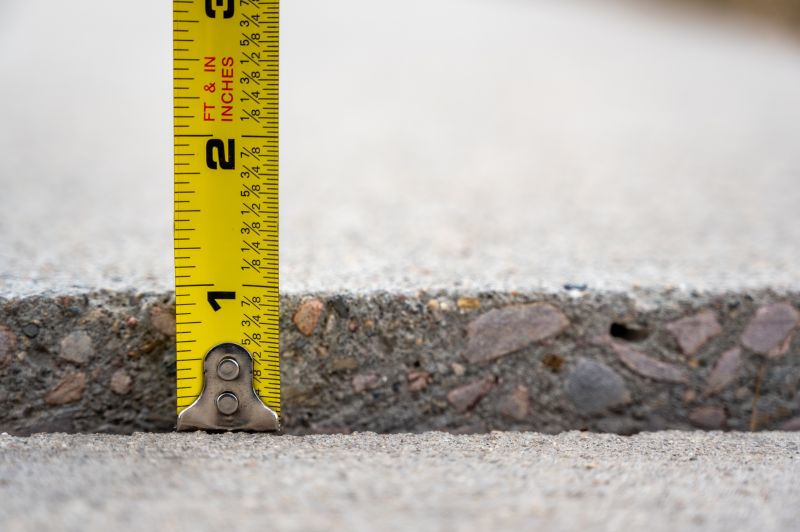
Little measurements that prevent headaches on Concrete Slab Sealings day.
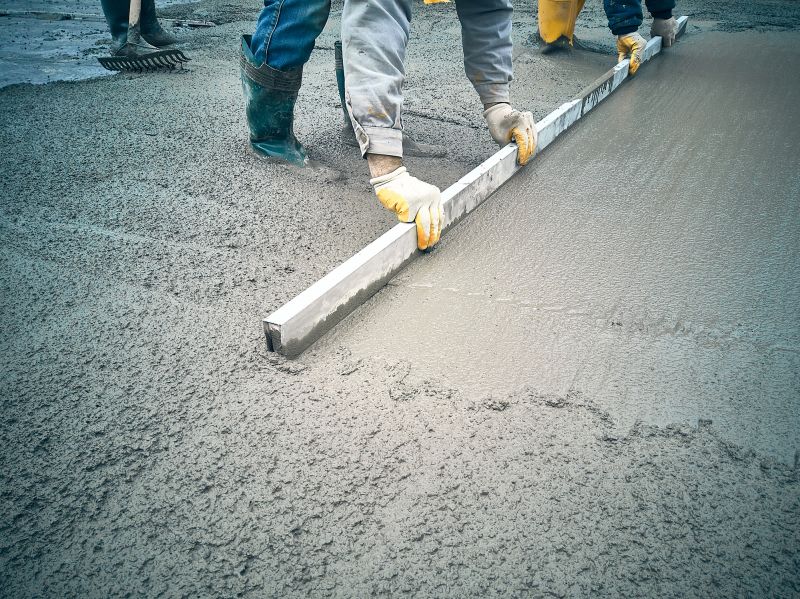
A 60-second routine that keeps Concrete Slab Sealings looking new.
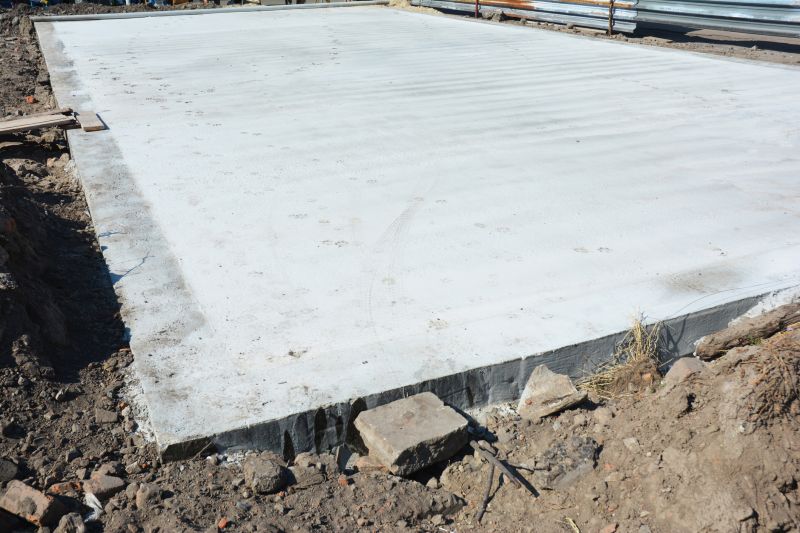
A frequent mistake in Concrete Slab Sealings and how to dodge it.
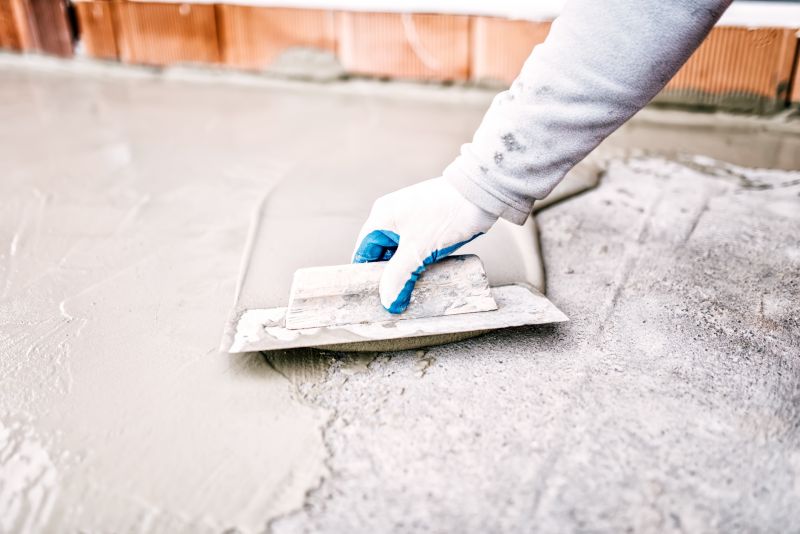
Small tweaks to make Concrete Slab Sealings safer and easier to use.
Choosing the right time for concrete slab sealings is crucial for maximizing their protective benefits. Adhering to recommended temperature ranges and avoiding adverse weather conditions can prevent premature failure and ensure the longevity of the sealing. Regular maintenance and inspections help identify when reapplication is necessary, maintaining the integrity of the concrete surface over time.
Interested in scheduling concrete slab sealings? Contact to discuss options and timing.